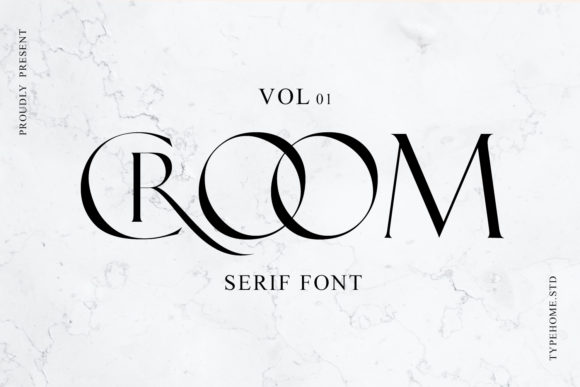
Croom
In the world of typography, where every stroke and curve can make or break a design, Croom stands out as a versatile and elegant serif font that effortlessly bridges the gap between classic charm and modern usability. Designed with balance and variation in mind, Croom is neither too thin nor too thick, making it an ideal choice for a wide range of creative projects. Whether you're crafting a brand identity, designing a website, or creating editorial layouts, Croom adds a touch of sophistication that elevates your work without overwhelming the viewer.
Understanding the Value of Croom in Graphic Design
Typography plays a crucial role in visual communication, shaping how audiences perceive and interact with content. A well-chosen font like Croom can enhance readability, reinforce brand personality, and guide the user’s eye through a design with ease. Its clean lines and subtle contrast ensure that text remains legible across various media—from print to digital—while maintaining a professional aesthetic.
Croom’s balanced weight and refined serifs give it a timeless quality, making it suitable for both traditional and contemporary design approaches. This versatility allows designers to integrate it into diverse projects, from branding and logo design to social media graphics and packaging concepts.
Practical Applications of Croom in Design Projects
The applications of Croom are vast and varied, offering creative professionals numerous opportunities to explore its potential:
- Branding and Logo Design: Croom's elegance makes it a great fit for logos that aim to convey professionalism and trustworthiness. It pairs well with minimalist color palettes and simple shapes to create a cohesive brand identity.
- Digital Marketing Materials: From email newsletters to landing pages, Croom ensures that text remains readable and visually appealing, supporting effective message delivery.
- Social Media Graphics: With its clean and approachable style, Croom works well for captions, headlines, and call-to-action buttons on platforms like Instagram and Facebook.
- Web and UI Design: When used in headings and body text, Croom enhances the user experience by improving scannability and visual hierarchy.
- Packaging Design: The font's crisp edges and elegant curves add a premium feel to product labels, brochures, and other printed materials.
Choosing and Using Croom Effectively
Selecting the right font involves more than just aesthetics—it requires consideration of context, audience, and purpose. When working with Croom, keep these factors in mind:
Consistency: Use Croom consistently across all design elements to maintain a unified look and feel. Pair it with complementary fonts for subheadings or body text to create visual interest without confusion.
Readability: While Croom is highly legible, avoid using it in small sizes or low-contrast settings where it might become difficult to read. Always test your designs on different screens and print outputs.
Scalability: Ensure that Croom maintains its clarity at various sizes, especially when used in logos or headers that may be scaled down for mobile devices.
Compatibility: Consider how Croom integrates with your existing brand system, including colors, imagery, and other typographic choices. A harmonious combination will strengthen your overall visual identity.
By thoughtfully incorporating Croom into your design workflow, you can achieve a polished, professional result that resonates with your target audience. Whether you're aiming for a modern minimalism or a classic elegance, this font offers a reliable solution that supports both creativity and clarity in your projects.