Bauhaus: A Minimalist Font for Streamlined Design and Communication
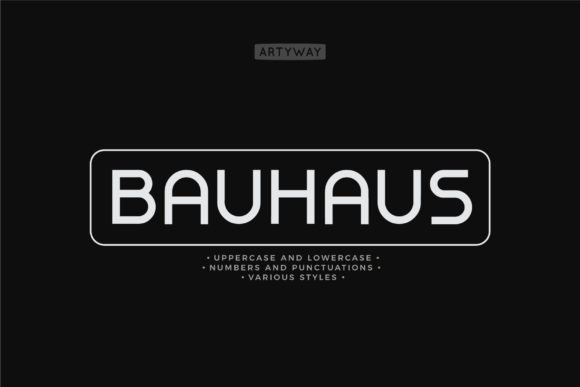
The Bauhaus font, with its clean lines and geometric simplicity, has become a staple in modern design. Rooted in the principles of the Bauhaus school of art and design, this sans serif typeface embodies minimalism, functionality, and clarity. Whether you're crafting a website, preparing marketing materials, or designing a logo, Bauhaus offers a versatile solution that enhances readability and visual appeal. Its straightforward structure makes it easy to integrate into various projects, ensuring consistency across different mediums.
Understanding Bauhaus and Its Design Philosophy
Bauhaus is more than just a font—it represents a movement that prioritized form following function. Originating from the Bauhaus school in Germany during the early 20th century, this design philosophy emphasized simplicity, utility, and the integration of art with industrial production. The Bauhaus font reflects these ideals through its lack of decorative elements, uniform stroke widths, and balanced proportions.
This font is particularly well-suited for environments where clarity and legibility are paramount. It works exceptionally well in both digital and print formats, making it a go-to choice for designers who value efficiency without sacrificing aesthetics.
Integrating Bauhaus into Your Workflow
Incorporating Bauhaus into your workflow can be done at multiple stages—before, during, and after a project. Here's how it can fit into different phases:
- Pre-Project Planning: Use Bauhaus for initial sketches, wireframes, or mood boards to establish a clean and professional foundation for your design. Its neutrality allows for easy customization and adaptation to various themes.
- During Execution: When working on layouts, branding, or content creation, Bauhaus ensures consistency in typography. It pairs well with other minimalist fonts and complements modern color palettes.
- Post-Completion Review: After finalizing a project, use Bauhaus for proofreading, client presentations, or documentation. Its readability helps ensure that information is communicated clearly and effectively.
How Bauhaus Interacts with Other Tools and Resources
Bauhaus integrates smoothly with a wide range of design tools such as Adobe Illustrator, Photoshop, Figma, and Canva. Its availability in standard font libraries means you can easily access it across platforms without additional costs. When combined with grid systems, alignment tools, and spacing guidelines, Bauhaus contributes to a cohesive and structured layout.
Additionally, Bauhaus works well with other minimalist design elements like flat icons, simple illustrations, and neutral color schemes. This compatibility makes it an excellent choice for creating modern, user-friendly interfaces and promotional materials.
Practical Implementation Tips for Using Bauhaus
To get the most out of Bauhaus, consider the following tips when applying it to your projects:
- Use It for Headings and Subheadings: Bauhaus’s strong presence makes it ideal for titles and section headers. It commands attention while maintaining a clean look.
- Pair It with Complementary Fonts: While Bauhaus is a standalone font, combining it with another sans serif or serif font can add visual interest. For example, using Bauhaus for headlines and a softer font for body text creates a balanced hierarchy.
- Adjust Spacing and Weight: Experiment with letter spacing and font weight to enhance readability. Slight adjustments can make a significant difference in how the text is perceived.
- Consider Color Contrast: Ensure that Bauhaus is used against backgrounds that provide sufficient contrast. Dark text on light backgrounds or vice versa improves legibility, especially in digital formats.
Workflow Examples for Different Use Cases
Here are a few practical examples of how Bauhaus can be applied in real-world scenarios:
- Web Development: Use Bauhaus for navigation menus, buttons, and call-to-action elements. Its clean appearance enhances user experience by reducing visual clutter.
- Print Media: Incorporate Bauhaus into brochures, flyers, and business cards. Its versatility ensures that your printed materials remain professional and visually appealing.
- Presentations: When creating slides for meetings or pitches, Bauhaus provides a consistent and polished look that reinforces your message without distraction.
- Logo Design: Bauhaus’s geometric structure makes it a great option for logos that need to convey simplicity and strength. It works well with symbols and icons that align with the brand’s identity.
Factors to Consider for Long-Term Use
When deciding whether to adopt Bauhaus as a primary font, there are several factors to consider:
- Consistency: Bauhaus should be used consistently throughout a project to maintain a unified visual identity. Inconsistent typography can confuse audiences and dilute the overall message.
- Usability: Ensure that Bauhaus is readable at different sizes and on various devices. Test it across screens and print formats to confirm its effectiveness in all contexts.
- Compatibility: Check if Bauhaus is compatible with your preferred software and file formats. Some platforms may have limitations regarding font support or rendering accuracy.
- Quality Control: Always review your work to ensure that Bauhaus is used correctly. Pay attention to details such as alignment, spacing, and contrast to maintain a high standard of quality.
Enhancing Productivity with Bauhaus
For professionals and creatives looking to streamline their workflow, Bauhaus can be a valuable asset. Its straightforward design reduces decision fatigue, allowing you to focus on the core aspects of your work. By choosing a reliable and adaptable font like Bauhaus, you can save time on revisions and improve the overall efficiency of your creative process.
Moreover, Bauhaus supports long-term consistency, which is crucial for branding and communication. Once established, it becomes easier to maintain a cohesive style across different projects and platforms.
Conclusion
Bauhaus is not just a font; it's a tool that simplifies complex design processes and enhances communication. Its minimalist approach aligns with modern design trends and offers a practical solution for professionals across various industries. Whether you're a designer, marketer, educator, or entrepreneur, integrating Bauhaus into your workflow can lead to cleaner, more effective results.
By understanding how Bauhaus fits into different stages of a project and leveraging its strengths, you can elevate your work and create a lasting impression on your audience. Embrace the power of Bauhaus and discover how it can transform your creative process into a more streamlined and efficient experience.