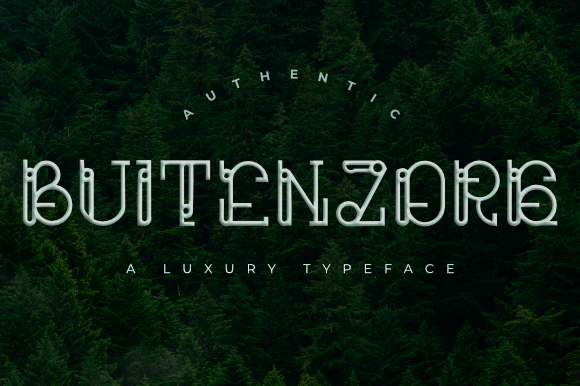
Buitenzorg: A Fun and Interesting Decorative Font with a Unique Style
When it comes to adding personality to your creative projects, the right font can make all the difference. Buitenzorg is a decorative font that stands out for its unique style and playful character. Whether you're designing logos, crafting invitations, or working on DIY projects, this font brings a fresh and artistic flair to any text. However, like many design tools, Buitenzorg has its own set of nuances that can trip up even the most well-intentioned creators. Let's explore what makes Buitenzorg special, common pitfalls to avoid, and how to use it effectively.
What Is Buitenzorg?
Buitenzorg, which translates to “carefree” in Dutch, is a decorative typeface known for its whimsical and elegant design. It features soft curves, stylized letterforms, and a balanced mix of serif and sans-serif elements that give it a versatile feel. This font is particularly popular among designers who want to add a touch of charm without sacrificing readability.
Its appeal lies in its ability to blend retro aesthetics with modern simplicity. The name itself hints at the carefree nature of the font—something that can be a great match for branding, personal projects, or even digital content that aims to evoke a sense of lightness and creativity.
Why People Love Buitenzorg
Many creators are drawn to Buitenzorg because of its versatility. It works well in both print and digital formats, making it suitable for a wide range of applications—from social media posts to packaging designs. Its unique character allows it to stand out in a sea of generic fonts, which is especially valuable in marketing and branding where differentiation is key.
Additionally, the font’s clean yet ornate look makes it ideal for those who want to add visual interest without overwhelming the viewer. It strikes a balance between being decorative and professional, which is essential when communicating messages clearly while still maintaining an engaging aesthetic.
Common Mistakes When Using Buitenzorg
While Buitenzorg is a fantastic choice for many projects, there are several common mistakes that users often make when selecting and applying it. These errors can affect the overall quality and effectiveness of the final design.
Mistake 1: Overusing the Font
One of the biggest mistakes is using Buitenzorg too frequently in a single project. While it adds a unique touch, overuse can lead to clutter and reduce readability. This is especially problematic in longer texts where legibility is crucial.
How to Avoid: Reserve Buitenzorg for headings, titles, or short phrases. Use it sparingly to maintain visual hierarchy and ensure that the message remains clear and easy to read.
Mistake 2: Ignoring Readability
Despite its beauty, Buitenzorg may not be the best choice for long paragraphs or body text. The stylized letterforms can become difficult to read when used in extended passages, especially for audiences unfamiliar with the font.
How to Avoid: Always test the font in different contexts before finalizing your design. If you plan to use it for body text, consider pairing it with a more readable sans-serif or serif font for contrast and clarity.
Mistake 3: Not Checking Licensing
Another critical mistake is assuming that Buitenzorg is free to use in commercial projects. Many decorative fonts come with licensing restrictions that dictate how they can be used, whether for personal or commercial purposes.
How to Avoid: Before downloading or purchasing Buitenzorg, carefully review the license agreement. Ensure that it covers the intended use of the font, including any platforms or mediums where it will appear.
Practical Tips for Using Buitenzorg Effectively
To get the most out of Buitenzorg, follow these practical tips that can help you avoid common issues and maximize its potential:
- Pair with complementary fonts: Combine Buitenzorg with a simpler font for body text to create a balanced and visually appealing layout.
- Use it for emphasis: Apply Buitenzorg to headlines, subheadings, or call-to-action buttons to draw attention without overwhelming the reader.
- Test across devices: Ensure that Buitenzorg looks good on different screens and resolutions. Some decorative fonts may render differently on mobile devices, so always check how they appear in various contexts.
- Stay within brand guidelines: If you're using Buitenzorg for a business or organization, make sure it aligns with existing brand identity and style guides.
Real-World Examples of Buitenzorg in Action
Buitenzorg has been successfully used in a variety of creative projects. For instance, a boutique clothing store might use it for their logo and storefront signage to convey a sense of playfulness and approachability. Similarly, a wedding planner could incorporate it into invitation designs to create a charming and memorable experience for guests.
In the world of digital marketing, Buitenzorg can be used in social media campaigns to stand out from competitors. Its unique style helps brands express their personality while keeping the message clear and engaging.
Final Thoughts on Choosing Buitenzorg
Buitenzorg is a beautiful and expressive font that can elevate the look of any project. However, success with this font depends on thoughtful application and awareness of its limitations. By avoiding common mistakes and following best practices, you can ensure that Buitenzorg enhances rather than detracts from your work.
Before making a decision to use Buitenzorg, take time to understand its characteristics, limitations, and licensing requirements. With the right approach, this fun and interesting decorative font can bring your DIY projects and creative ideas to life in ways that are both visually stunning and functionally effective.