Gila: A Modern Sans Serif Font for Strategic Design and Communication
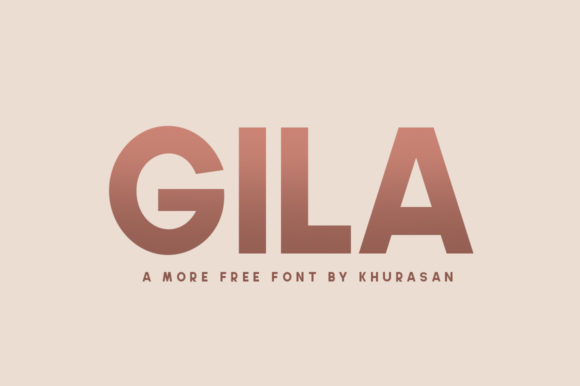
Gila is a modern sans serif font that has gained popularity among designers, marketers, and content creators for its clean lines, readability, and aesthetic appeal. Whether you're designing a poster, crafting a logo, or creating a magazine layout, Gila offers a versatile solution that can elevate your visual communication. Its simplicity makes it ideal for a wide range of applications, from digital banners to printed materials. This article explores how Gila can be strategically used to support your design goals, enhance brand identity, and improve the effectiveness of your visual messaging.
Understanding the Strategic Value of Gila
Fonts are more than just decorative elements—they are powerful tools that influence perception, readability, and overall user experience. Gila, with its modern and minimalist design, is particularly well-suited for environments where clarity and professionalism are essential. It strikes a balance between being approachable and sophisticated, making it an excellent choice for both digital and print media.
When considering fonts for branding or marketing materials, it's important to choose one that aligns with your message and audience. Gila’s neutral yet refined appearance makes it adaptable across various industries, from tech startups to educational institutions. This adaptability means that it can be used consistently across multiple touchpoints without losing its impact.
Why Gila Stands Out in Design Projects
Gila’s design features subtle variations in stroke weight and spacing that contribute to its legibility at different sizes and on various mediums. These characteristics make it especially useful for projects that require high readability, such as infographics, presentations, and instructional materials. The font’s clean lines also help reduce visual clutter, allowing the content to take center stage.
Additionally, Gila’s availability as a free resource makes it accessible to a wide range of users, including small business owners, freelancers, and hobbyists who may have limited budgets for premium fonts. This accessibility does not compromise quality, as Gila maintains a professional look that can rival many paid typefaces.
Strategic Use Cases for Gila
The versatility of Gila allows it to be used in a variety of contexts. Here are some strategic use cases where Gila can make a significant impact:
- Logos and Branding: Gila’s clean and modern appearance makes it an excellent choice for logos that need to convey professionalism and innovation. Its simplicity ensures that the brand name remains the focal point, without unnecessary distractions.
- Posters and Banners: When designing posters or banners, readability is key. Gila’s clear letterforms ensure that messages are easily understood from a distance, making it ideal for event promotions, advertisements, and informational displays.
- Magazines and Publications: For magazines and other publications, Gila can be used for headlines, subheadings, and body text. Its consistent style helps maintain a cohesive visual hierarchy throughout the publication.
- Book Covers: Book covers often need to balance creativity with readability. Gila’s modern look can complement a wide range of artistic styles while ensuring that the title is easy to read and visually appealing.
- Digital Content: From websites to social media posts, Gila performs well on screens. Its optimized design ensures that it remains legible even at smaller sizes, which is crucial for online content.
Planning Your Design Strategy with Gila
Before incorporating Gila into your design projects, it's important to consider how it will fit within your overall visual strategy. Ask yourself the following questions:
- What is the primary goal of this design? Is it to inform, persuade, or entertain?
- Who is the target audience? Does Gila’s style align with their preferences and expectations?
- How will Gila be used in relation to other design elements such as color, imagery, and layout?
- Will Gila be used consistently across all platforms and materials to reinforce brand identity?
By answering these questions, you can ensure that Gila is used in a way that supports your objectives rather than detracting from them. It's also worth experimenting with different weights and styles of Gila to see how they perform in various contexts.
Best Practices for Using Gila Effectively
To maximize the impact of Gila in your designs, consider the following best practices:
1. Maintain Consistency: Use Gila consistently across all design elements to create a unified look. This includes using the same font weight, size, and spacing throughout your project.
2. Pay Attention to Hierarchy: Use Gila in combination with other fonts to create a clear visual hierarchy. For example, use a bolder version of Gila for headlines and a lighter version for body text.
3. Consider Readability: While Gila is highly readable, it's still important to test how it appears in different contexts. Ensure that it remains legible at various sizes and on different backgrounds.
4. Complement with Other Design Elements: Gila works best when paired with complementary colors, images, and layouts. Avoid overcomplicating the design by using too many fonts or elements that compete for attention.
Potential Risks of Using Gila Without Strategy
While Gila is a versatile and attractive font, it's important to avoid using it indiscriminately. If used without consideration for context or purpose, Gila could become generic or lose its impact. For instance, using Gila for a logo that requires a more traditional or ornate style might result in a mismatch between the font and the brand’s identity.
Another risk is using Gila in situations where it may not be the most appropriate choice. For example, if your design requires a highly stylized or decorative font, Gila’s minimalism might not be suitable. Always evaluate whether Gila aligns with your specific needs before committing to it.
Finally, relying solely on Gila for all design elements can lead to a lack of visual diversity. While consistency is important, it's also beneficial to introduce variation when appropriate to keep the design engaging and dynamic.
Conclusion: Leveraging Gila for Better Design Outcomes
Gila is a valuable tool for anyone involved in design, marketing, or communication. Its clean, modern aesthetic and strong readability make it a practical choice for a wide range of applications. By using Gila strategically and thoughtfully, you can enhance your visual communication, reinforce brand identity, and achieve better results in your projects.
Whether you're designing a logo, creating a poster, or working on a digital campaign, Gila can help you communicate your message effectively. Remember to consider your goals, audience, and context when using Gila, and always aim for consistency and clarity in your design choices.