Retro 70s Font: A Bold and Fun Display Font for Creative Projects
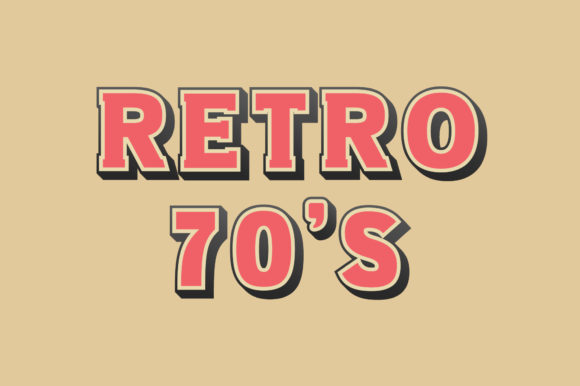
The Retro 70s font is more than just a typeface—it's a nostalgic trip back to the vibrant, groovy era of the 1970s. With its bold and fun design, this display font brings a unique flair to any creative project. Whether you're designing posters, logos, or digital content, Retro 70s can help your work stand out in a crowd.
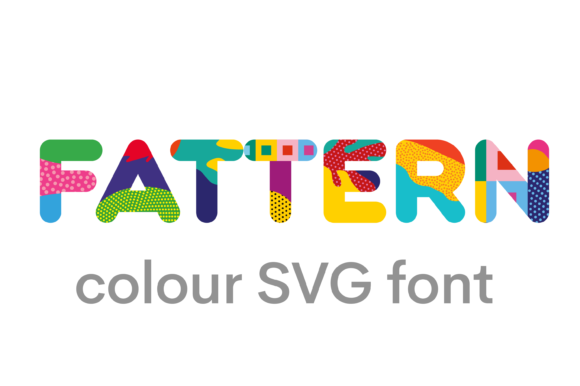
This product is a color font in OpenType-SVG format, which means it supports advanced typographic features and works well with various design software. It is compatible with programs like PhotoShop, Illustrator, Silhouette, and Inkscape. However, it's important to note that the OTF and TTF files are not compatible with Cricut. For more information on how to use this type of font, check out our Ultimate Font Guide.
Why Choose Retro 70s for Your Design Projects?
Retro 70s is perfect for projects that require a retro vibe or a bold statement. Its design captures the essence of the 1970s with a modern twist, making it versatile for both vintage and contemporary designs. The font’s unique shapes and colors allow for eye-catching visuals that can draw attention and convey a sense of nostalgia.
One of the standout qualities of Retro 70s is its compatibility with multiple design tools. This makes it easy to integrate into your workflow, whether you're working on print or digital media. The OpenType-SVG format ensures that the font maintains its quality across different platforms and devices.
Applications of Retro 70s in Modern Workflows
Retro 70s can be used in a variety of industries and projects. Here are some practical examples:
- Graphic Design: Use Retro 70s for creating eye-catching headlines, logos, and promotional materials. Its bold style makes it ideal for posters, flyers, and banners.
- Web Design: Incorporate Retro 70s into website headers, buttons, or call-to-action sections. It adds a unique touch that can enhance user engagement.
- Print Media: This font works well for magazine covers, book titles, and packaging designs. Its retro feel can attract attention and create a memorable impression.
- Digital Art: Artists can use Retro 70s in digital illustrations, animations, and video projects. It offers a dynamic look that complements various art styles.
Whether you're a designer, artist, or hobbyist, Retro 70s provides a versatile solution that can elevate your creative ideas. Its ability to blend nostalgia with modern design elements makes it a valuable addition to any creative toolkit.
How to Use Retro 70s Effectively
To make the most of Retro 70s, it's essential to understand how to use it effectively in your projects. Here are some tips and recommendations:
- Pair with Complementary Fonts: While Retro 70s is a bold display font, it pairs well with simpler sans-serif or serif fonts for body text. This contrast helps maintain readability while adding visual interest.
- Experiment with Colors: As a color font, Retro 70s allows for creative experimentation with color schemes. Try using vibrant hues to match the retro theme or opt for muted tones for a more sophisticated look.
- Use in Limited Amounts: Since Retro 70s is a display font, it should be used sparingly. Reserve it for headings, titles, or key messages rather than large blocks of text.
- Check Compatibility: Ensure that your design software supports OpenType-SVG fonts. If you're using Cricut, keep in mind that the OTF and TTF versions may not be compatible. Always refer to the product documentation for detailed instructions.
By following these guidelines, you can ensure that Retro 70s enhances your projects without overwhelming them. Its versatility allows for creative freedom while maintaining a cohesive design aesthetic.
Considerations Before Using Retro 70s
Before incorporating Retro 70s into your projects, there are a few factors to consider:
- Licensing: Make sure you have the appropriate license for commercial use if needed. Some fonts may have restrictions on how they can be used.
- File Formats: Understand the file formats available. The OpenType-SVG version is best suited for design software, while other formats may have limitations.
- Design Trends: Consider whether the retro style aligns with your target audience and the overall design trends of your industry. A retro font may not be suitable for all contexts.
- Technical Support: If you encounter any issues with installation or usage, consult the product documentation or reach out to customer support for assistance.
These considerations can help you make an informed decision about using Retro 70s in your creative projects. By understanding its strengths and limitations, you can use it more effectively and avoid potential pitfalls.
Integrating Retro 70s into Your Creative Workflow
Adding Retro 70s to your creative ideas can transform your projects and make them stand out. Its bold and fun design offers a unique way to express creativity and capture attention. Whether you're designing for print, web, or digital media, this font can add a distinctive flair that sets your work apart.
With its compatibility with popular design tools, Retro 70s is easy to integrate into your workflow. You can experiment with different layouts, color combinations, and typography techniques to achieve the desired effect. The key is to use it thoughtfully and strategically to enhance your designs rather than overpower them.
If you're looking for a font that combines nostalgia with modern design, Retro 70s is an excellent choice. Its versatility, compatibility, and unique style make it a valuable asset for any creative professional or enthusiast. By incorporating this font into your projects, you can create visually striking designs that resonate with your audience and leave a lasting impression.