Bitter Tea: A Delicate and Elegant Handwritten Font for Stunning Designs
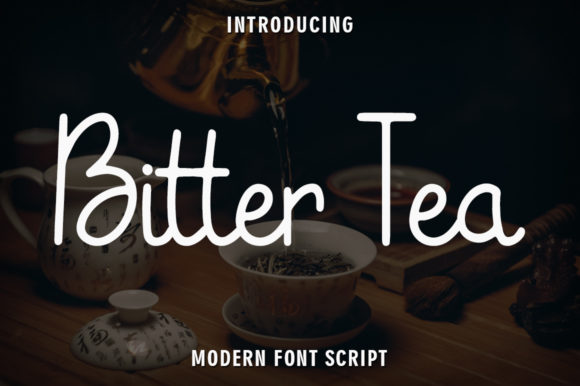
Bitter Tea is a delicate and elegant handwritten font that has captured the attention of designers, artists, and content creators alike. With its distinct and well-rounded letters, this font stands out as a true masterpiece in the world of typography. Whether you're designing logos, creating invitations, or crafting digital content, Bitter Tea offers a versatile style that can elevate your work to new heights.
Its unique charm lies in the way it blends elegance with a touch of personalization. Unlike standard sans-serif or serif fonts, Bitter Tea brings a human element to your designs, making them feel more intimate and expressive. This makes it an excellent choice for projects that require a sense of warmth, creativity, and individuality.
Understanding the Appeal of Bitter Tea
Handwritten fonts like Bitter Tea are often chosen for their ability to convey authenticity and emotion. In a world dominated by digital content, these fonts offer a refreshing contrast. They allow designers to create pieces that feel more personal and less mechanical. For instance, when used in branding, Bitter Tea can help establish a connection with the audience by communicating a sense of approachability and sincerity.
However, using a handwritten font also comes with certain challenges. One of the main considerations is legibility. While Bitter Tea's design is aesthetically pleasing, it may not be suitable for all types of text, especially long paragraphs or small sizes. It’s important to use it judiciously to maintain readability while still achieving the desired aesthetic.
Practical Applications of Bitter Tea
Bitter Tea is incredibly versatile and can be applied across various design fields. Here are some practical applications where this font shines:
- Branding and Logos: Bitter Tea can add a unique flair to brand identities. Its elegant curves and soft edges make it ideal for businesses that want to project a sense of sophistication and creativity.
- Invitations and Cards: Wedding invitations, birthday cards, and thank-you notes benefit greatly from the personal touch that Bitter Tea provides. It adds a warm and heartfelt feel to written communication.
- Web Design: When used sparingly, Bitter Tea can enhance the visual appeal of websites. It works particularly well for headings, call-to-action buttons, and decorative elements.
- Print Media: From magazine layouts to book covers, Bitter Tea can bring a sense of artistry and uniqueness to printed materials.
Each of these applications highlights how Bitter Tea can be tailored to meet specific design goals. The key is to understand the context in which the font will be used and ensure that it complements the overall message and purpose of the project.
How Different Users Can Approach Bitter Tea
Depending on their needs and expertise, different users may approach Bitter Tea in various ways. For example:
- Beginners: Those new to typography may find Bitter Tea intimidating due to its complexity. However, with practice and experimentation, they can learn to appreciate its nuances and discover creative ways to incorporate it into their designs.
- Professionals: Experienced designers can leverage Bitter Tea to push creative boundaries. They may experiment with layering, color variations, or combining it with other fonts to achieve striking visual effects.
- Business Owners: Entrepreneurs looking to build a strong brand identity may use Bitter Tea to create a memorable logo or marketing material that stands out from the competition.
No matter the user’s background, Bitter Tea offers opportunities for innovation and expression. The challenge lies in finding the right balance between aesthetics and functionality.
Tips for Using Bitter Tea Effectively
To get the most out of Bitter Tea, consider the following tips:
- Use It Sparingly: Since Bitter Tea is a handwritten font, it should be used in moderation. Reserve it for headlines, titles, or short phrases rather than large blocks of text.
- Pair It with Complementary Fonts: Combining Bitter Tea with a clean, modern font can enhance readability and visual harmony. This approach is particularly effective in web and print design.
- Experiment with Color and Size: Play around with different colors and sizes to see how Bitter Tea interacts with your design. Subtle variations can make a big difference in the final outcome.
- Ensure Readability: Always test your design on different devices and screen sizes to confirm that the text remains legible. Adjust spacing and contrast as needed.
These recommendations can help users harness the full potential of Bitter Tea while avoiding common pitfalls associated with handwritten fonts.
Conclusion
Bitter Tea is more than just a font—it's a tool that empowers designers to create visually compelling and emotionally resonant content. Its elegant, well-rounded letters make it a standout choice for those who value both beauty and functionality in their work. Whether you're a seasoned designer or just starting out, Bitter Tea offers endless possibilities for creative exploration.
By understanding its strengths and limitations, you can use Bitter Tea to craft stunning designs that leave a lasting impression. Embrace its versatility and let it inspire your next creative project.