Scientist: A Playful Bouncy Handwritten Font for Standout Designs
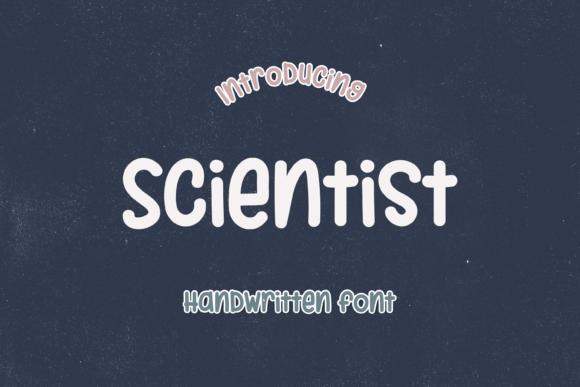
When it comes to typography, the right font can make all the difference in how your message is received. Scientist is a playful, bouncy handwritten font that brings energy and charm to any design project. Whether you're crafting social media posts, branding materials, or creative content, Scientist adds a unique personality that stands out from the crowd.
What Is Scientist?
Scientist is a font that captures the whimsical feel of handwriting, with its dynamic curves and lively strokes. It's designed to mimic the natural flow of a pen on paper, giving your text an organic and engaging look. This font is particularly popular among designers, marketers, and creatives who want to inject fun and creativity into their work without sacrificing readability.
Its bouncy appearance makes it ideal for projects that aim to be approachable, youthful, or imaginative. Think of it as the perfect companion for anything from children's books to promotional materials for lifestyle brands.
Why People Are Drawn to Scientist
The appeal of Scientist lies in its ability to convey emotion and character through typography. Unlike more formal fonts, it feels personal and expressive, which can help connect with audiences on a more human level. This makes it especially useful for content that aims to be friendly, relatable, or inspiring.
Designers often choose Scientist for logos, illustrations, infographics, and even website headers where they want to break away from the standard sans-serif or serif fonts. Its versatility allows it to be used in both digital and print formats, making it a valuable asset in a designer's toolkit.
Common Mistakes When Using Scientist
While Scientist is a fantastic choice, there are some common pitfalls that users might fall into. Here are a few mistakes to avoid:
- Using it for long blocks of text: Scientist is best suited for short phrases, headlines, or accents rather than large paragraphs. Using it for extended body text can lead to eye strain and reduce readability.
- Ignoring legibility in smaller sizes: The playful nature of Scientist means it may not be legible when scaled down too much. Always test the font at different sizes before finalizing your design.
- Overusing it across multiple elements: While it’s tempting to use Scientist everywhere, doing so can create visual clutter. Reserve it for key elements like headings or call-to-action buttons to maintain focus.
- Not considering color contrast: The effectiveness of Scientist can be diminished if it's paired with colors that don't provide enough contrast. Ensure that the background and text color work well together for optimal visibility.
How to Use Scientist Effectively
To get the most out of Scientist, consider these practical tips:
- Pair it with a complementary font: Combine Scientist with a clean, sans-serif font for body text. This creates a balanced look that maintains readability while still adding visual interest.
- Use it for emphasis: Apply Scientist to highlight important words or phrases. This helps draw attention to key messages without overwhelming the reader.
- Test it in context: Before committing to using Scientist in a project, preview it in the actual layout. See how it looks on different screens, devices, and print outputs.
- Check licensing: If you're downloading Scientist from a font provider, ensure you understand the license terms. Some fonts have restrictions on commercial use, so always verify what's allowed.
Real-World Examples and Better Approaches
Let’s say you’re designing a poster for a science fair. Instead of using a traditional font for the title, you could use Scientist to make it stand out. Pair it with a bold sans-serif font for the subtitle and body text to keep everything clear and easy to read.
Another example is a marketing email. You might use Scientist for the subject line to grab attention, but switch to a simpler font for the rest of the email to ensure the message remains professional and easy to digest.
If you're unsure about how Scientist will look in a particular design, start by creating a mockup. This allows you to experiment with spacing, color, and placement without affecting the final product.
What to Check Before Using Scientist
Before incorporating Scientist into your design, take a moment to evaluate a few key factors:
- Legibility: Can the font be easily read at the intended size and on the target medium?
- Context: Does the font fit the tone and purpose of the project? For instance, would Scientist be appropriate for a serious academic publication?
- Compatibility: Will Scientist work well with other design elements such as images, icons, or backgrounds?
- Licensing: Are you allowed to use Scientist for your specific needs, including commercial applications?
By taking the time to assess these factors, you can ensure that Scientist enhances your design rather than detracts from it.
Final Thoughts on Scientist
Scientist is more than just a font—it's a tool that can elevate your designs with personality and flair. By understanding its strengths and limitations, you can use it effectively to create visuals that resonate with your audience.
Whether you're a beginner or a seasoned designer, Scientist offers a fresh perspective on typography. Just remember to use it wisely, and you'll find it's a great addition to your creative arsenal.