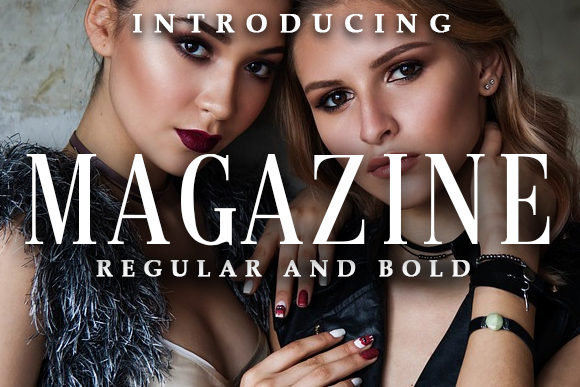
Magazine: A Stylish Serif Font for Professional Branding and Creative Projects
Magazine is a stylish serif font that has gained popularity among professionals, creators, and entrepreneurs who value both aesthetics and functionality in their visual identity. Designed with care and precision, this font offers a unique blend of elegance and readability, making it an excellent choice for logos, branding materials, social media content, and DIY projects. Whether you're launching a new business, updating your personal brand, or working on a creative project, Magazine provides the right balance of sophistication and versatility to support your workflow effectively.
Understanding the Role of Magazine in Design Workflows
In the world of design, typography plays a crucial role in shaping the overall look and feel of any project. Magazine fits seamlessly into various stages of the design process, from initial concept development to final execution. Its clean lines and refined curves make it ideal for use in headings, titles, and other prominent text elements that need to stand out while maintaining a professional appearance.
For instance, when creating a logo, Magazine can serve as the foundation for your brand's visual identity. Its distinctive character gives your logo a sense of authority and credibility, which is especially important for businesses targeting professional audiences. Similarly, when designing marketing materials such as brochures, flyers, or website headers, Magazine ensures that your message is conveyed clearly and with style.
Using Magazine Before, During, and After a Project
The integration of Magazine into your design process can occur at multiple stages. Before starting a project, it's essential to choose a font that aligns with your brand's personality and goals. Magazine is particularly well-suited for brands that want to communicate professionalism, creativity, and a touch of luxury.
During the design phase, Magazine can be used in conjunction with other tools and resources to enhance the visual appeal of your work. For example, pairing Magazine with a sans-serif font for body text can create a balanced and harmonious layout. This combination is commonly used in magazine layouts, hence the font's name, and works equally well in digital formats such as websites and mobile apps.
After completing a project, Magazine can be used to maintain consistency across all branding materials. This includes social media posts, email newsletters, and even packaging designs. By using the same font across different platforms, you ensure a cohesive and recognizable brand image that strengthens customer recognition and trust.
Integration with Other Tools and Platforms
Magazine is compatible with a wide range of design software and platforms, including Adobe Photoshop, Illustrator, InDesign, Canva, and Figma. This makes it easy to incorporate into your existing workflow without requiring significant changes to your current tools or processes. Additionally, since Magazine is available in both desktop and web versions, it can be used across different devices and environments, ensuring flexibility and convenience.
When working on collaborative projects, Magazine can be shared easily with team members or clients through cloud-based design tools. This allows for real-time feedback and adjustments, streamlining the design process and reducing the need for back-and-forth communication.
Practical Implementation Tips and Workflow Examples
To get the most out of Magazine, consider the following practical tips and workflow examples:
- Use it for headlines and subheadings: Magazine adds a touch of elegance to headlines and subheadings, making them more engaging and visually appealing.
- Pair it with complementary fonts: Combining Magazine with a sans-serif font for body text creates a balanced and modern look. This is particularly effective in long-form content such as blog posts or product descriptions.
- Test it in different sizes and weights: Experiment with varying font sizes and weights to see how Magazine performs in different contexts. This will help you determine the best way to use it in your specific project.
- Ensure legibility on digital screens: While Magazine is designed for print, it also works well on digital screens. However, it's important to test it in different resolutions and screen sizes to ensure optimal legibility.
For example, if you're designing a landing page for a new product launch, you could use Magazine for the headline to grab attention and then switch to a simpler font for the body copy to improve readability. This approach helps maintain a professional yet approachable tone that resonates with your target audience.
Factors to Consider When Using Magazine
While Magazine is a versatile font, there are several factors to consider when integrating it into your workflow:
- Preparation: Before using Magazine, make sure you understand its characteristics and how it fits into your overall design strategy. Take time to review samples and experiment with different applications to find the best fit for your needs.
- Compatibility: Ensure that Magazine is compatible with the tools and platforms you're using. If necessary, consult documentation or reach out to support teams for guidance.
- Usability: Choose font weights and styles that are appropriate for your specific use case. Avoid overusing bold or italic variations, as this can make your text difficult to read.
- Organization: Keep your font files organized and backed up to avoid any issues during the design process. This is especially important when working on large-scale projects or collaborating with others.
- Efficiency: Use Magazine consistently across all branding materials to maintain a unified visual identity. This not only improves efficiency but also enhances brand recognition.
By considering these factors, you can ensure that Magazine is used effectively and efficiently throughout your design workflow.
Long-Term Use and Quality Control
One of the key advantages of Magazine is its durability and reliability over time. As a well-crafted serif font, it maintains its quality and consistency across different mediums and formats. This makes it an excellent choice for long-term use in branding and marketing efforts.
To maintain high-quality output, it's important to regularly review and update your font usage based on feedback and changing trends. This includes monitoring how Magazine performs in different contexts and adjusting your approach as needed. By doing so, you can ensure that your brand remains fresh, relevant, and visually appealing over time.
Additionally, consider investing in premium versions of Magazine that offer extended character sets, additional weights, and improved compatibility with different operating systems and devices. These features can further enhance the usability and effectiveness of the font in your workflow.
In conclusion, Magazine is a versatile and stylish serif font that can be integrated seamlessly into various design workflows. Whether you're creating a logo, designing marketing materials, or working on a creative project, Magazine provides the right balance of elegance and functionality to support your goals. By understanding how to use it effectively and incorporating it into your existing tools and processes, you can elevate the visual quality of your work and strengthen your brand's identity.