The Rise of Monsier: A Bold Serif Font Shaping Modern Design and Branding
In the ever-evolving world of typography, one font has been quietly making waves—Monsier. With its bold and thick lettered serif design, Monsier is not just another typeface; it's a statement. As professionals, creators, entrepreneurs, marketers, freelancers, and enthusiasts navigate the digital landscape, the choice of typography plays a crucial role in how messages are received and perceived. Monsier, with its distinctive character, is becoming a preferred choice for those looking to stand out in a sea of visual noise.
What Is Monsier?
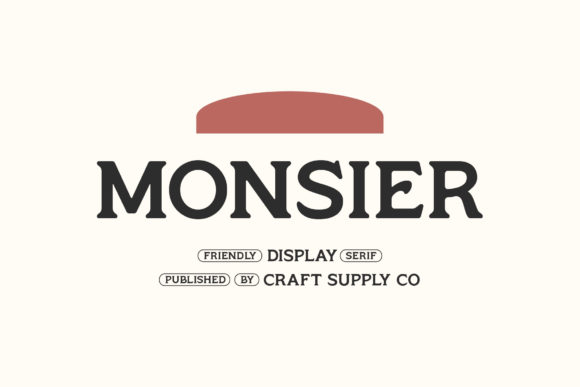
Monsier is a bold, thick-lettered serif font that exudes strength, elegance, and authority. Its design is rooted in traditional serif aesthetics but reimagined with modern sensibilities. The heavy strokes and pronounced serifs give it a commanding presence, making it ideal for headings, logos, and other high-impact text elements. Unlike many sans-serif fonts that dominate digital interfaces, Monsier brings a touch of sophistication and timeless appeal to contemporary design projects.
The name "Monsier" itself is evocative, suggesting a sense of formality and respect. It’s derived from the French term for "sir," which adds a layer of cultural and linguistic richness to its identity. This makes it particularly appealing for brands aiming to convey professionalism, heritage, or a European-inspired aesthetic.
The Broader Industry Context
In today’s fast-paced, visually driven market, the demand for unique and impactful typography has never been higher. Businesses and creatives are constantly seeking ways to differentiate themselves, and typography is a powerful tool in this endeavor. Monsier fits seamlessly into this trend by offering a distinctive visual identity that aligns with broader industry movements such as minimalism with a twist, retro-futurism, and the resurgence of classic design elements in modern contexts.
As more consumers become visually discerning, the importance of typography in branding and marketing has grown exponentially. Studies show that up to 94% of first impressions are design-related, with typography playing a significant role in shaping these perceptions. Monsier meets this need by delivering a strong, memorable visual signature that resonates across different mediums—from print to digital platforms.
Why People Are Paying Attention to Monsier
The increasing popularity of Monsier can be attributed to several factors. First, its bold and thick lettering captures attention in a way that lighter, more conventional fonts cannot. In an era where content saturation is a challenge, standing out is essential. Monsier offers a solution by providing a visual punch that commands focus without overwhelming the viewer.
Second, there's a growing appreciation for fonts that bridge the gap between tradition and innovation. Monsier embodies this duality, drawing on the enduring appeal of serif fonts while incorporating modern design principles. This makes it versatile enough to suit a wide range of industries and applications, from luxury fashion to tech startups.
Third, the rise of hybrid work environments and remote collaboration has increased the need for clear, readable, and aesthetically pleasing typography. Monsier excels in this area, offering excellent legibility even at smaller sizes. This ensures that whether used in presentations, websites, or marketing materials, Monsier maintains its visual impact without sacrificing readability.
How Monsier Fits Into Changing Trends and Needs
As consumer preferences evolve, so too do the expectations around design and branding. Today’s audiences seek authenticity, clarity, and emotional resonance in the brands they engage with. Monsier supports these values by offering a font that feels both authentic and forward-thinking.
One of the most notable trends in recent years has been the shift towards more expressive and personalized design. This is especially evident in the creative industries, where individuality and originality are highly valued. Monsier allows designers to infuse their work with a unique personality, helping to create a stronger emotional connection with the audience.
Moreover, the increasing use of video and motion graphics in digital marketing has created new opportunities for typography to play a dynamic role. Monsier’s bold and striking appearance makes it well-suited for animated titles, captions, and other motion-based design elements. Its thick strokes and clean lines ensure that it remains legible and visually compelling even when moving or layered with other effects.
Practical Examples of Monsier in Action
Consider a high-end fashion brand launching a new collection. Using Monsier for headlines and taglines can immediately convey a sense of luxury and sophistication. The font’s boldness reinforces the brand’s confidence and exclusivity, while its serif details add a touch of elegance that aligns with the brand’s image.
In the tech industry, a startup might use Monsier to create a strong, memorable logo that communicates both innovation and reliability. The font’s weight and structure suggest strength and stability, which are key attributes for any technology company looking to build trust with its audience.
For marketers and advertisers, Monsier can be a powerful tool in crafting eye-catching headlines and call-to-action buttons. Its visual impact helps to draw attention to key messages, increasing engagement and conversion rates. Whether used in social media posts, email campaigns, or website banners, Monsier ensures that the message is both seen and remembered.
Connecting Monsier to Larger Developments
The rise of Monsier is not an isolated phenomenon. It reflects broader shifts in design philosophy, consumer behavior, and technological advancement. As businesses increasingly recognize the value of visual storytelling, the role of typography in conveying brand identity has become more critical than ever before.
Additionally, the growing emphasis on user experience (UX) and user interface (UI) design has led to a renewed focus on typography as a key component of digital experiences. Monsier contributes to this by offering a font that is both aesthetically pleasing and functionally effective. Its ability to maintain legibility across different screen sizes and resolutions makes it a valuable asset in responsive web design.
Finally, the increasing integration of artificial intelligence (AI) in design tools has made it easier for creators to experiment with and implement new typographic styles. Monsier is well-positioned to benefit from this trend, as AI-driven design platforms can help users discover and apply the font in innovative ways.
Conclusion
Monsier is more than just a font—it’s a reflection of changing design trends, evolving consumer expectations, and the growing importance of visual communication in the digital age. Its bold, thick-lettered serif style offers a unique combination of strength, elegance, and versatility that makes it a standout choice for professionals and creatives alike.
As the world continues to embrace more expressive and personalized design, Monsier will undoubtedly play an increasingly important role in shaping the visual language of the future. Whether used in branding, marketing, or creative projects, Monsier has the power to make ideas stand out and leave a lasting impression.